Residential Services:
Transitional Living and Respite Services
The Residential Service of the Brain Injury Rehabilitation Unit are situated in two modified houses, one at Liverpool: the Transitional Living Unit (TLU) that is a few blocks from the BIRU
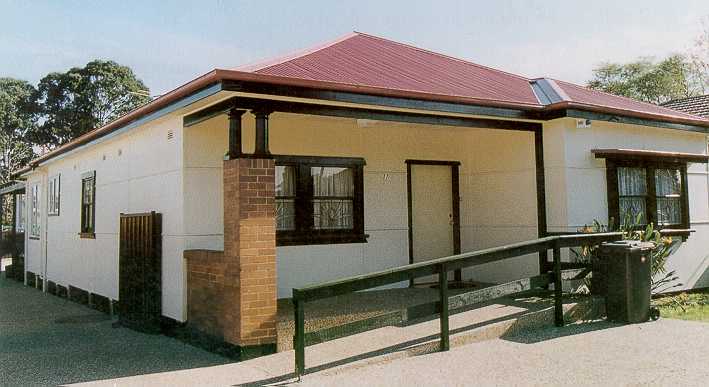
and the second: the Camden Respite House (CRH) that is about a 30 minute drive south west from the BIRU.
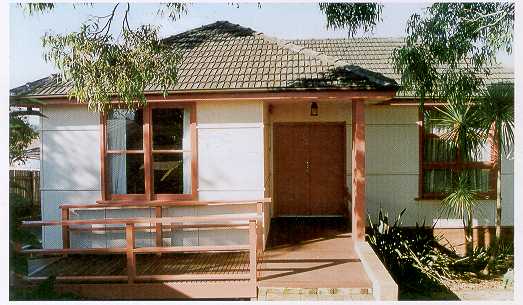
The TLU provides a transitional living program and the CRH provides residential respite and short-term accommodation.
The majority of residents are admitted from the South Western and Southern areas of Sydney. Previous clients of the service can be admitted on a needs basis. The Inpatient or Community Teams initiate referrals. Residents are primarily young males and the time post injury can vary from months to many years.
The needs of this client group promote a rehabilitation model that is different from the usual models of outpatient or aged care rehabilitation. The psychosocial consequences of brain injury can be associated with cognitive, behavioural and physical deficits. These may lead to permanent disruption in work, leisure, family interaction and friendships.
The residential rehabilitation model is flexible and bridges the gap from acute, hospital-based rehabilitation that is usually medically and physically orientated, to psychosocial recovery and community integration. It can provide an holistic approach to management that encourages increased decision making and responsibility for the person, enabling them to identify their own rehabilitation goals and plans. The resident and key people in their lives (usually family) are integral to the residential programs.
The residential service offers four main programs:-
- Short term accommodation in response to a crisis or breakdown of the usual arrangements. The duration of the stay varies according to need.
- 3 – 5 day holidays to have fun while exploring new experiences and offering opportunities to interact with others in a non-clinical setting
- Regular admissions which provide flexibility in frequency and duration with a focus on recreation and leisure. This program is utilised to minimise the effects of psychosocial disability on the family by providing a break for the person and a break for their carer.
- Living skills assessment and retraining as a rehabilitation continuum and before discharge home following injury; or, in response to changing circumstances and life cycles when living with disability.
The shared house environment provides opportunities to learn practice skills, adjust to lifestyle changes, solve problems and develop personal goals while interacting with peers and receiving personal and emotional support from experienced residential care staff. An holistic approach to rehabilitation ensures that therapy and services are arranged in response to individual goals. BIRU therapy staff support program activity in both houses, either as part of a dedicated multidisciplinary team for the Transitional Living Unit or by providing services as a member of the BIRU Community Outreach Team.
Therapy is provided on an individual and group basis. Individual therapy goals are incorporated into group activities which include household management, meal planning and preparation, shopping and activity planning. Regular groups can have a specific therapy focus (e.g. discussion and language groups) or a primary activity focus into which individual therapy goals are incorporated. These groups include woodwork, cafe planning and providing a lunch cafe, public transport outings, and social gatherings (eg Brainwaves, pool competition and Open Day BBQ lunches for ex-residents, families and friends). Residents are supported to enable them to access the full range of hospital services, brain injury specific services and generic community services based on need.