








Child Abuse Prevention Issues Number 18 Spring 2003
Accessibility issues in child
abuse prevention services
Increasing recognition is being given to the importance of preventing the maltreatment of Australian children. Programs designed to achieve this aim have to be both effective and accessible to those most in need of a prevention service. This special issues paper examines accessibility to prevention programs by reporting on a small exploratory study undertaken by the National Child Protection Clearinghouse.
BACKGROUND
The Accessibility Study is a small exploratory research project, conducted in 2002 by the National Child Protection Clearinghouse, that examined the issue of accessibility to programs that prevent child abuse and neglect. The scope of the study was restricted to two broad models of prevention programs - group based parent education and home visiting programs - in the two Australian states of Victoria and New South Wales. Because a survey of families would have required a much larger project than was possible, the study sought information on accessibility from service provider staff only.
'Accessibility' is used in this paper to refer to the ease with which families most in need of a child abuse and neglect prevention program, that is, families needing a secondary prevention service, are able to find and avail themselves of a suitable program. The term 'service provider' refers to the agency or organisation which provides programs; 'participant' refers to the program user; and 'respondent' refers to the person who responded to the study questionnaire and interview.
Child maltreatment is traditionally categorised into four types: physical abuse, sexual abuse, psychological/emotional abuse, and neglect. Increasingly, exposure to domestic violence is being treated as an additional category of child abuse. Prevention programs may reduce factors likely to lead to child abuse and/or strengthen personal and community factors that make child abuse less likely (Tomison and Wise 1999). There is a current trend to give considerablefocus to 'positive, life-enhancing strategies, such as good interpersonal relationships (and) appropriate parenting' (Tomison and Poole 2000: 11).
Child maltreatment prevention programs can be categorised into programs that target: the whole community (primary); those who are at risk of abusing and/or neglecting children (secondary); and those who are at risk of re-abusing a child (tertiary) (Tomison and Poole 2000). While this categorisation is useful in understanding the nature of the service, in practice, many programs cannot be neatly placed in one of these categories, as service providers frequently accept participants with a range of issues and needs (Tomison and Poole 2000).
Child maltreatment prevention programs can be further categorised into: community education programs, often large-scale and media based; programs promoting personal safety and protective behaviours, based mainly in schools; child-focused services, such as adolescent services; offender programs; and family support services (Tomison and Poole 2000).
Two models in the category of family support services investigated in this study are groupbased parent education programs that focus on teaching parenting knowledge and skills within a fixed number of sessions, and home visiting services, where an employee or trained volunteer visits the mother (usually), offering a range of counselling, advice, and referral options.
In Australia, programs that have the aim of preventing child abuse and neglect are offered by community organisations and government bodies. The majority of these programs are conducted by small community-based agencies, usually at least partly funded from government grants, that frequently develop their own program (Tomison and Poole 2000). However, there is a recent trend to use larger-scale programs that have been partially or fully evaluated and documented, and adapt them for a range of uses. Examples of this type include the home visiting program, Home-Start, used in New South Wales, and Triple P (the Positive Parenting Program), a parent education program now used, to a varying extent, in most Australian states ('State Updates' 2000).
LITERATURE REVIEW
This section discusses the literature on program effectiveness, how 'accessibility' is understood, engagement and retention in programs, and four specific factors that influence accessibility.
Program effectiveness
The most comprehensive research on the effectiveness of child abuse prevention programs has taken place in the United States. These have been large 'flagship' evaluations commonly based on home visiting models. The effectiveness of such programs has been found to vary (Gomby, Culross and Behrman 1999). Arguably, the most significant outcomes in terms of preventing child abuse and neglect, as well as other negative child development outcomes, were shown in a localised home visiting program in the United States called the Prenatal/Early Infancy Project (Olds et al. 1997). A 15-year follow-up study reported reduced child maltreatment rates as well as other positive outcomes (Olds et al. 1997).
There has been little systematic research in Australia on the effectiveness of home visiting and group-based parent education as methods of preventing child abuse and neglect. Many programs undergo minimal evaluation, which varies in form and quality (Tomison and Poole 2000), and few assess the outcomes of programs in terms of their impact on child abuse and neglect. Where such evaluations do occur, they are rarely recorded in the academic literature. However, it is noted that home visitor programs are perceived to be valuable by both consumers and program staff (Vimpani, Frederico and Barclay 1996). The literature notes that future research needs to establish what particular aspects of the home visiting programs are most effective in reducing child abuse and neglect (MacMillan et al. 1994) and in establishing better defined outcomes for children.
How accessibility is understood
The notion of accessibility to prevention programs is not commonly discussed in the literature as a concept in itself. Rather, there is some research and discussion on specific facets of accessibility, such as the best way to engage program participants, most of this material coming from the United States. As a result, available knowledge on accessibility is limited and fragmented and much information is anecdotal. A compounding problem is that while the models of home visiting and group-based parent education are often referred to as if they were homogeneous, they actually encompass a very wide range of service characteristics. It is therefore difficult to provide a clear picture of the state of current knowledge on accessibility to these programs.
Engagement and retention in programs
Some researchers report that it is difficult to attract participants to all types of prevention programs (Dumka et al.1997). They argue that a key reason is that: 'Prevention programs, by definition, serve those who are currently not experiencing the problem for which they are at risk. Without an immediate and pressing problem parents are less likely to seek assistance' (Dumka et al. 1997: 26).
While it has been found that engaging families in child abuse prevention programs is difficult and attrition is often high (Dawson and Berry 2002; McCurdy, Hurvis and Clark 1996; Webster-Stratton 1998), little research has been done on what factors predict or correlate with participation and retention. Drawing this type of information from research on support services generally does offer some useful insights, but it also results in the production of 'a laundry list of factors' offering little direction about the relative importance of individual determinants or clusters of factors (McCurdy and Daro 2001: 113).
However, a useful perspective on accessibility is given by a number of small studies. Accessibility to family services generally, in England and Wales, is discussed in a report produced by the United Kingdom National Family and Parenting Institute (Henricson et al. 2001). This concludes that there is a 'serious scale' of access problems restricting the use of family services to an 'unacceptable degree' (Henricson et al. 2001: 7). Particular groups mentioned as encountering accessibility problems include minority ethnic families, parents with mental illness and substance misuse, and fathers.
These researchers identified the following specific barriers: 'Lack of information due to an absence of up-to-date service directories, time barriers due to inflexible working hours, lack of child care (just under half of agencies provide child care when working with families . . . ), charging (just over a quarter of services are charging for their services . . . ), the location of services with most being concentrated in urban areas and areas of acute deprivation, rural isolation, lack of open access (a quarter of services are only taking clients who have been referred by other agencies) . . . the reluctance of some professionals to make interdisciplinary referrals and stigma associated with use of the services' (Henricson et al. 2001: 7).
The difficulties experienced by vulnerable, low-income families in accessing preventative networks and parenting groups have also been reported by Australian authors (Howard and Chaplin 1997), who found that families would present to local services at times of personal crisis, but didn't engage in preventative programs. Difficulties in participating in prevention programs were compounded by structural barriers, such as poor education, as well as problems associated with marginalisation, exclusion and isolation. They suggest that considerable thought and work is needed to make prevention programs accessible to the most vulnerable families, including being prepared to be flexible in work practice, and repeated outreach services to maintain contact with this group.
It has been found that home-based programs produce higher participation rates than centre-based programs (McCurdy et al. 1996: 5). It is argued that the outreach nature of home visiting has advantages over other programs in that rather than waiting for the potential participant to come to the service centre, the program can be provided in the private and familiar setting of the home (Daro 2002; McCurdy 2001). A personalised service can also be provided (Berlin 1998). However, home visiting may be more acceptable to some families than others. Some refusing families express a dislike for service provider staff entering the home, a fact that may relate to cultural norms around the openness of the home to 'strangers' (McCurdy et al. 1996: 5).
Centre-based parent education has been found to be effective because it offers parents a chance to meet other parents, breaking down isolation, helping program participants find their own supports in the community, and providing opportunities to share and normalise feelings (Sanders and Cann 2002). However, these researchers found that maltreating parents have traditionally not successfully engaged in parent education programs.
Specific factors influencing accessibility
The factors which impact on accessibility can be viewed in categories which relate to the potential participants and to characteristics of the service.
Factors associated with potential program participants
Families with parenting difficulties are less likely to enrol, and stay, in voluntary prevention programs (McCurdy et al. 1996). Attrition occurs more commonly with single-mother families, families receiving public assistance, larger families, isolated families, and some families from non-English-speaking backgrounds (McCurdy et al. 1996). Such families present in times of crisis, 'usually related to the structural issues of survival such as income or housing, but do not engage in preventative or ongoing programs' (Howard and Chaplin 1997: 72). While these families are the major users of primary and acute care services, they are the lowest users of preventative services, including parenting groups (National Health Strategy 1992 cited in Howard and Chaplin 1997).
Other studies have noted that personal attributes, such as a failure to recognise the need for help, a lack of motivation or disinterest, fear of loss of control over their lives, low self-esteem, and limited social resources are associated with low levels of engagement in programs (Breton 1985; McCurdy et al. 1996). Prior negative experiences with service providers, as well as a poor personal relationship history, may also prompt families to refuse prevention programs (Larner et al. 1992 cited in McCurdy et al. 1996). Once people have a sense of powerlessness and a devalued sense of self, it is difficult for them to accept that others can help (Breton 1985). It has been suggested that service providers should advertise their programs as parent support programs which assist in raising healthy, happy and intelligent children, rather than as child abuse prevention programs aimed at rectifying parenting deficits (Dumka et al. 1997).
The literature reports anecdotal evidence which suggests that a number of parents have the intention to enrol in prevention programs but never end up participating because another family member or partner did not want them to. Thus, it may be very important to seek to engage all family members and child carers in a home visiting or family support program (Levine, Murphy and Wilson 1993; McCurdy and Daro 2001). This includes engaging a male figure in the family if no father is present, such as the mother's partner or boyfriend (Levine, Murphy and Wilson 1993). Indeed, the extreme difficulties in recruiting males to attend child abuse prevention programs is frequently noted in the literature. Existing research suggests many reasons why males may not wish to attend. These include a fear of exposing a lack of parenting skills, the failure of programs to cater for male interests (Levine, Murphy and Wilson 1993) and the lack of male-friendly session times and service environments (Meyers 1993).
Factors associated with the program
The literature suggests that traditional methods of recruitment by publicising programs, such as placing advertisements in local papers, do not result in contact being established with those most in need of the service (Howard and Chaplin 1997). Face-to-face contact with potential program participants is often suggested as a preferred option, either at their home, at supermarkets, fast food outlets, and on the streets (Dumka et al. 1997; Howard and Chaplin 1997). Duggan et al. (2000: 253) found that when attempting to engage 'at risk' parents in a home visiting program, mothers contacted in person were twice as likely to accept the service than those accessed by telephone. Hawaii's Healthy Start home visiting program (McCurdy 2001) emphasises the importance of outreach to engage participants. The first three months of the program is spent making 'consistent and repeated efforts to engage the family in the program, even if rebuffed by the parent' (McCurdy 2001: 98).
Flexibility in the program content is recommended to increase participant commitment, even to the point of parents being allowed to contribute to the agenda (Dumka et al. 1997: 27) and the desired program outcomes (Breton 1985: 16). Other suggestions relating to program content are the inclusion of practical demonstrations (for example, being shown how to bath a newborn baby) and providing a mix of 'doing and talking' to restore a sense of competence in the participant (Breton 1985: 18). Establishing a sense of achievement early and working from a competency-based model are seen as especially important for participants with low self-esteem or low attachment patterns (Howard and Chaplin 1997; McCurdy et al. 1996; Sanders and Cann 2002).
Research has suggested that the behaviour of program staff may be more important than their characteristics and qualifications in influencing the engagement and retention of program users (Dawson and Berry 2002). This includes factors such as having a low caseload and being able to spend time with each family. Attention to the wellbeing of program staff, which may be challenged by the emotional intensity of the work, is also seen as very important (McCurdy and Daro 2001; Stanley and Goddard 2002).
The way in which a prevention program is funded has also been considered a relevant factor affecting participation: 'Stable funding promotes smooth service delivery and reduces staff turnover due to job uncertainly. In turn, lower levels of staff turnover allows programs to keep their doors open and avoid service disruption and loss of clients' (McCurdy and Daro 2001: 117).
Voluntary versus compulsory participation
Little is said in the literature about the issue of voluntary versus compulsory parental participation in programs which have the aim of preventing child maltreatment. It is noted that there is a tension between the aim of protecting children and the aim of self-determination and preservation of families (Goddard 1996; Staudt and Drake 2002). Indeed, a decision may need to be made about the point at which these two goals - of protecting the child and protecting the family - become incompatible (Goddard 1996). Such a decision has implications in relation to whether some services are, and/or should be, compulsory, in order to protect children. This is a decision which, in turn, has major implications in relation to accessibility to programs.
Incentives to increase accessibility
The provision of assistance in the form of tangible goods, such as food, clothing, or transportation services (McCurdy and Daro 2001), or assistance with immediate needs, such as in relation to housing, financial stress or unemployment, can facilitate retention in programs and build and maintain a relationship with service provider staff (Dawson and Berry 2002). In the Hawaii Healthy Start program, home visitors offer both concrete assistance and crisis intervention services, especially in the first few months of the program (McCurdy 2001). Another program reported using payments or gift vouchers in order to encourage participation (Webster-Stratton 1998:188).
It is reported that, to maximise participation, service providers should be unobtrusive and near other facilities (such as in a shopping centre) so that participants do not feel stigmatised when walking into the centre (Breton 1985). A lack of transport is identified as a major problem in relation to people not attending prevention services in general (Breton 1985). It is argued that programs should provide transportation to program participants or be located where they are well serviced by public transport (Onyskiw et al. 1999). Home visiting, where the program staff go to the participant, overcomes this transport problem for participants (Thompson 1995; Weiss 1993, reported in McCurdy 2001).
Finally, access to quality child care has been seen as an important incentive to engage and retain parents in prevention programs (Howard and Chaplin 1997; Webster-Stratton 1998). One service provider reported that they provided child care for parents attending a parent training group - 'not just to permit parents to participate fully, but also to be stimulating and attractive so that the children might encourage the parents to make the effort to attend' (Dumka et al. 1997: 33).
THE ACCESSIBILITY STUDY
In 2002, the Australian Government Department of Family and Community Services requested that the National Child Protection Clearinghouse, housed at the Australian Institute of Family Studies, undertake an exploratory study on the issue of accessibility to child abuse and neglect prevention programs for those children most at risk of maltreatment.
In this study, those most in need were defined as those children commonly described as 'at risk' of being abused and/or neglected - the population most in need of a secondary prevention service.
A model of accessibility
As noted, the notion of accessibility to a program that aims to prevent child abuse and neglect encompasses a range of issues which have not yet been clearly delineated, defined or investigated.
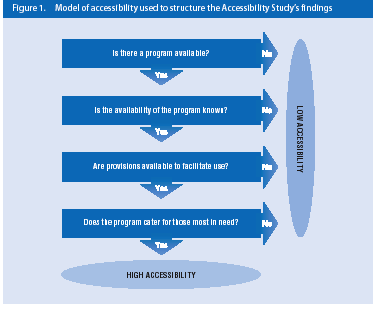
For the purpose of this study, these issues have been organised into the following topics: the need for, and the availability of, a program; knowledge by potential participants or referring agents about the availability of a program; the availability of infrastructure/service provisions to facilitate the use of the program; and whether the service reaches those most in need of a child abuse prevention program.
The model of accessibility used to structure the study's findings is presented in Figure 1. The presence or absence of various conditions associated with the above topics can be said to progressively either increase or decrease accessibility for those most in need of a program that prevents child abuse and neglect.
The study method and sample
A range of information sources, including the National Child Abuse Prevention Programs Database held by National Child Protection Clearinghouse and directories listings, was used to locate service providers who conducted programs which had the aim of preventing child abuse and neglect by means of home visiting or group-based parent education. Attention was given to representation, as far as was possible, to both program types and location - New South Wales and Victoria, and rural and urban locations.
Service provider staff were contacted by phone. All but one agreed to participate in the survey, which resulted in a total of 48 programs, one per service provider. Confirmation was received from each of the respondents that their program had the aim (often among other aims) of preventing child abuse and neglect. Information was gathered from a program staff member (the respondent) using a short questionnaire, and a telephone interview which lasted about 25 minutes. Sixteen respondents failed to complete both parts of the survey, resulting in a completed sample of 32 programs. As this study was exploratory, the data were analysed using descriptive statistics and qualitative information.
Of the 32 programs studied, 13 were from Victoria and 19 from New South Wales. Of these, 13 were group-based parent education programs and 19 were home visiting programs. The majority of programs (23) operated in urban areas, and nine were located in smaller rural locations. The over-representation of programs based in urban locations was due to the difficulties the researchers had in locating rural service providers, possibly partly reflecting the ratio of such providers to the population distribution.
Most programs (26) were funded from a mix of government grants (usually State government) and contributions from charitable trusts. Many of the service providers had undertaken the program for a considerable length of time - ten for over a decade, 14 for three to ten years, and eight for under three years. Fifteen of the programs were 'stand alone', with only home visiting or parent education being offered; 16 were part of a more comprehensive range of programs offered to the participants; and this information was not known for one program.
The program staff members interviewed for the study (the respondents) were all directly involved in the provision of either a home visiting or parent education program. Respondents and other staff members held a wide range of qualifications - most commonly in social work (28 per cent) or welfare (19 per cent). Other qualifications included psychology, teaching, medical, other allied health qualifications, and social science qualifications. Some respondents were trained by the service provider.
STUDY FINDINGS
Accessibility to a program is only a matter of importance if the service offered succeeds in achieving its goals of preventing child maltreatment. The Accessibility Study did not aim to evaluate programs but rather considered issues of accessibility among those who identified themselves as having a service that prevented child abuse and neglect. It is therefore of interest to explore whether or not the program achieved this aim.
Perceived aims and outcomes
When asked to describe the aims of their program, most respondents referred to aims in relation to the parents - such as providing support for parents and families, improving parenting skills, and improving parents' general education. Service providers seem to have made the assumption, traditionally held by providers in this sector (Thompson 1995), that assisting parents to cope better will reduce or stop child abuse and neglect, without measuring the impact of their program on this outcome. Indeed, in this study many respondents made no mention of the child in describing their aims.
This trend was also present when respondents were asked to state the desired major and minor outcomes of the programs. Grouped broadly (and not mutually exclusive), these were as below:
- 30 respondents stated outcomes focusing on parents, such as helping them feel better as parents, and reducing their sense of isolation;
- 17 respondents stated outcomes focusing on families, such as helping families function better, and helping families achieve their goals;
- 15 respondents stated outcomes focusing on children, such as enabling children to fulfill their potential, and helping families recognise children's needs;
- three respondents stated outcomes focusing on the mothers' needs; and
- one respondent wished to improve the relationship between children and parents.
Findings from an Australian Audit of Prevention Programs (Tomison and Poole 2000) showed that while a substantial number of service providers were identified as operating programs clearly aimed at preventing child abuse and neglect, service provider staff did not view their work as child abuse prevention. Recent Australian research suggests that at times requirements from funding bodies lead to reporting which has little relation to desired outcomes from the perspective of program participants (Barber and Eardley 2002).
Thus it may be that such requirements lead to confusions of aims of the program by the service provider. It may also be that some service providers did not recognise the child abuse prevention aspects of their programs (Tomison 2002). This may have occurred due to the trend for providers to avoid presenting their programs as aiming to rectify parental defects because of the associated stigma (Dumka et al. 1997) and the assumption of culpability for parents who participate. Other providers may well be influenced by a history of providing general family welfare services, rather than child-focused services more particularly.
Respondents' opinions about program outcomes
Respondents were asked whether they believed their program prevented child abuse and neglect. Five respondents said they did not know. The responses of those who had an opinion are shown in Figure 2. More than half of the respondents (17) believed that their program completely prevented or mostly prevented child abuse and neglect among the families they worked with; nine believed they partly achieved this; and one said their program did not prevent child abuse and neglect at all.
Respondents were also asked whether the major and minor aims of the program were achieved. One respondent did not know if the major aim, and one did not know if the minor aim, had been achieved. Figure 2 shows that respondents were more confident that the program achieved their stated aims, than they were that the program prevented child abuse and neglect. Twenty-seven respondents believed the major aim was achieved, and 28 respondents believed their program had met its minor aim.
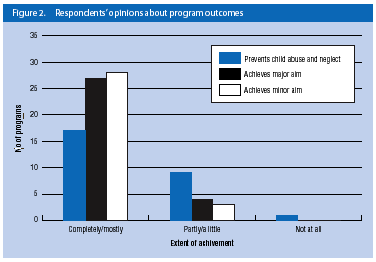
In ten programs where the respondents thought their major aim had been completely or mostly achieved, the respondents also believed that the program was not able to completely or mostly achieve the prevention of child maltreatment. Thus, it would seem that for these programs, the prevention of child maltreatment had become a lower priority. Those programs not achieving the prevention of child maltreatment did not show any particular pattern of characteristics.
While formal outcome evaluations were undertaken for six programs, most (18) gathered some form of feedback from participants, with the remaining nine collecting descriptive statistics. Even where there was an intention to prevent child abuse and neglect, it is unclear whether this was being achieved as few evaluations were undertaken which measured this dimension.
Program availability and demand
In order to gauge the accessibility of child abuse prevention programs, it is necessary to discover whether programs are available for families and, if so, whether they are located in areas in which families most in need reside. To ascertain the extent to which services were required and available in particular areas, the broader characteristics of the catchment areas were considered.
Area characteristics and potential demand
When respondents were asked to estimate the extent of child abuse and neglect in their program catchment areas, child maltreatment was generally considered to be high in most areas (Figure 3). At least half of the areas had each of four types of child maltreatment at moderately high levels or above: physical (N=281), sexual (N=30) and psychological abuse (N=29), and neglect (N=30).
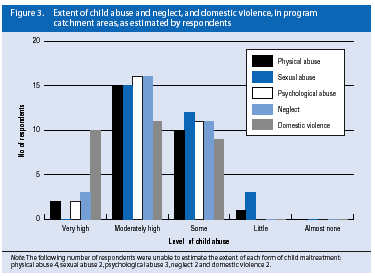
Domestic violence (N=30) was viewed by the respondents as being a significant problem, with ten respondents rating it as present in their areas at a very high level2. As living with domestic violence is treated in this study as a form of child maltreatment, these high levels are of significant concern when consideration is given to the impacts for those children living with such violence.
Respondents were asked about the prevalence of ten risk factors, in addition to child abuse and neglect, in their program catchment areas (N=31). When an average for each of the factors was calculated, the following were considered to be present at higher levels than child maltreatment - unemployment, substance abuse (by children and other family members), criminal activity, anti-social behaviour by children, and the presence of multi-problem and single-parent families. Child homelessness approximated the extent of the problem of child maltreatment. There were not high numbers of Indigenous families or recent migrants in the areas studied.
While respondents could have over-estimated the levels of child maltreatment and other problems in their program catchment area in order to justify a need for their service, this is unlikely, as survey responses were anonymous. Further, the literature supports the finding that child maltreatment often occurs in generally deprived neighbourhoods with multiple problems (Garbarino and Kostelny 1994; Vinson and Baldry 2000), and that multiple forms of violence and other criminal behaviour coexist (Stanley and Goddard 2002).
Provision of services
Many respondents reported low numbers of services for the prevention of child maltreatment in their program catchment area. Fourteen areas had few child abuse prevention programs, with only three reporting program levels in the high range. In the 28 areas where information was provided, the standard was considered to be variable, with 12 respondents rating it as 'low' or 'very low'. Only one area was considered to offer a large number of high quality programs. Nine areas were considered to have few programs and these were judged to be of a low standard. It is likely that the need to stretch resources further results in a lowering of standards.
While other forms of programs in the catchment areas were considered to be (on average) a little more common than those which aim to prevent child maltreatment, provision was still considered to be low. Just over one-third of the areas were rated as having only a few general welfare and support services.
Levels of need compared to programs offered
There is little guidance in the literature as to whether service shortfalls are widespread, longstanding, or of recent origin. It has been suggested that the shortfall may have worsened in the 1980s and 1990s due in part to a decreasing public tolerance of child maltreatment and a broadening definition of this problem, occurring at the same time as welfare spending reductions (Tomison 1996).
In the Accessibility Study a comparison was made of the extent of four types of child maltreatment: physical, sexual and psychological abuse, and neglect, and the number of programs aimed at preventing child maltreatment in each of the areas. Respondents' reports indicated that there was a balance between need and provision of programs in 12 of the areas; the remaining 16 areas appear to have had a greater need for programs than were available, with five of these having a large discrepancy between need and provision.
Knowledge about program availability
In order for a program to be effectively used, referring agencies, and those in need of the service, need to be aware of the availability of the service. More than half of the respondents (18) believed that there was a lack of community awareness about the availability of their program, with a resultant adverse impact on its accessibility to potential participants. Knowledge about the programs was generally spread on an informal basis, via brochures and visits to other agencies, but predominantly by word of mouth. Four service providers had also taken out paid advertising, mainly using the local print media.
Despite the frequent perception of low community awareness of the program, respondents reported a high demand for all but two programs, with most (17) judging demand to be very high. There appeared to be a trend where those ten programs which were not advertised, or only advertised by word of mouth, were located in areas considered to have few welfare and child maltreatment prevention services. The programs that were present were also judged to be of a low standard.
A fear of being overwhelmed by demands for a program was reflected in
some respondents' comments:
'We don't advertise because we become petrified (of being overwhelmed with responses).'
'Sporadically we did advertise but we really had more clients than we could deal with, and so we only occasionally send fliers to agencies.'
In apparent contrast to the findings of this study, the literature reports that there is generally a low demand for prevention programs as people may not recognise that help is needed until a crisis point is reached (Dumka et al. 1997). One possible reason for the high demand found in this study is that many of the child abuse prevention programs in Australia are used as an intervention or treatment service as well as a tertiary prevention service (see below).
Many of service providers relied on a number of referral sources, including nongovernment organisations, government services, and schools. Three-quarters of the providers took self-referrals; five took them exclusively. Twenty of the programs accepted people referred from statutory child protection services, two of which accepted referrals only from this source. The average number of referral sources per program was just under four (3.8). All but four programs considered all their participants to be voluntary, including parents referred from statutory child protection authorities and those on court orders.
Provisions available to facilitate program use
The researchers examined some aspects of service delivery which may increase or decrease the participants' use of the program. Funding issues, child care, transport and the time of day that the program was available, were considered particularly important by the respondents.
The impact of funding of the services on accessibility
Funding may have an impact on issues related to accessibility, such as the number of people who can be offered the program, the intensity of service provision, the ability to provide features which promote accessibility, and the permanency of the program.
In contrast to previous analyses of child abuse prevention programs (Tomison and Poole 2000) where there was a trend for funding to be predominantly shortterm, the Accessibility Study found that just under half of the programs (15) had ongoing or long-term funding, and a further nine programs had funding for three years. Funding appeared to be less secure (short-term or uncertain) for seven programs, suggesting that insecurity was probably an issue for just under one quarter of those responding to this question (31). It is possible that the study identified the more stable programs.
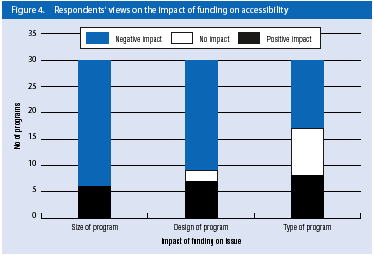
Despite the apparent funding stability for many programs, Figure 4 shows that most of the 30 who provided this information (24) believed that funding impacted negatively on the size of the program; 21 respondents believed there was a negative impact on the design of the program; however, funding appeared to have less impact on the type of program offered.
Examples of comments made by the respondents who stated that the level
of funding had a negative impact on their program include:
'The level of funding impacts hugely as we could do so much more with more money.'
'We can't buy in programs that have been well tested.'
'The lack of funding negatively impacts us as we can only afford 30 hours a week of workers and we don't get any time to do prevention. In reality everyone works extra hours.'
'We could double the size of our service and still have a high demand.'
'The level of funding affects us negatively because if we had a bigger bus we could pick up more people rather than do a number of trips which takes too long. We could also hire a qualified child worker to observe the behaviours of the children being minded.'
Most of the literature, which is predominantly from the United States, reports that the level and security of program funding has an impact on the characteristics of the service provided, with stable funding promoting smooth service delivery and reducing staff turnover (McCurdy and Daro 2001).
In contrast to those commonly reported in the literature, Australian programs tend to be small scale with unique service characteristics and less stability of funding. The researchers gained the impression that many services were functioning on a far from ideal budget, often relying on the goodwill of the program staff to do the best they could, give extra time free, and 'borrow' educators from other agencies, such as TAFE, to supplement their programs. Twelve programs were reliant on volunteers to undertake tasks such as administration, facilitating the smooth running of programs, providing child care and transport, and undertaking the visiting in four home visiting programs.
Program size and restrictive criteria
Most programs were small in scale, with the majority (21) having between five and 19 participants at any one point of time. The duration of the programs varied, with parent education being much more likely to be of a shorter, fixed duration than home visiting. All but three of the parent education programs were between five and 19 sessions3. Some providers offered participants the opportunity to undertake back-to-back programs.
More than three-quarters of the programs (26) had restrictive provisions,
the service only being offered to people with particular characteristics.
There was variation between the programs as to whether these characteristics
were broadly or more narrowly defined. The characteristics related to:
- the child, in 13 programs (examples include 'young', under five years with a disability, and involved with child protection services);
- parent/s, in four programs (for example, parents with an intellectual disability);
- families, in three programs (for example, cultural background);
- both parent/s and child, in three programs (for example, high need parents with young children who have child protection issues); and
- both children and families, in three programs (for example, the program was for those whose children attended a particular school).
However, some group-based parent education programs changed or rotated the groups of people offered a service, often according to demand.
Child care
While not directly asked about the impact of the presence or absence of child care, 11 respondents mentioned this as an accessibility issue. The provision of child care during parent education sessions was seen as important by over half of the respondents who provided group-based parent education, four respondents making comments about how they would like to be able to provide more child care places than were currently available. Several respondents stated that they often had places left in their parent education groups but had to turn parents away because the available child care places had been filled.
Transport
Transport was said to be a problem in relation to participant accessibility in the majority (11) of the group-based parent education programs. The two exceptions attracted largely middle-class families with access to a broader range of transport options. In the home-visiting programs, seven respondents noted that transport was a problem. Six respondents noted that the size of the catchment area meant that the provider found it necessary to limit visits and participant numbers due to the time taken to travel across the region.
Hours of operation
According to nine respondents the days of operation and the times at which programs were offered impacted on accessibility. Twenty-one programs were offered during office hours on weekdays. Respondents commented on the importance of flexibility in program hours, although many could not offer this. Issues discussed included the impact of funding on hours of operation, the subsequent inability of services to offer evening programs, and the negative consequence of daytime programs on the ability of working parents (especially male partners) to participate in programs.
As noted, the literature reports that it is common to have difficulty attracting men to services, one important factor being the provision of only daytime programs. While many respondents said they would like to increase accessibility to men, the reality was that many of the programs already had waiting lists of women. Thus, there is a need to ascertain to whom the program should be targeted to provide the most effective means of preventing child abuse and neglect.
Providing accessibility to those most in need
Certain factors limit, or promote, accessibility for those most in need of a program that aims to prevent child maltreatment. These factors include the characteristics of the potential participants and the characteristics of the program, such as the capacity to offer outreach and/or facilities for special groups. Provisions such as child care and transport (referred to in the previous section) would also be of assistance to this particular group of people.
Success in attracting the high need group
Most respondents (22) believed that they included those most in need of a child abuse secondary prevention program, while ten believed they did not. However, on examination of their comments, five of those who had stated that their program attracted this group, qualified this opinion.
For example:
'There is a group of people who don't like to access agencies and have family histories and a negative take on services.'
'Mostly, but there may be some people who don't access us.'
'Yes, but I think that there are some out there who we don't get referred.'
Examples of comments made by respondents who believed that their program did not routinely include those most in need were:
'Sometimes those most in need lack the confidence to attend and often these families are hidden in the community and we don't know they exist.'
'The program is aimed as a universal prevention program, so it is not necessarily for problem families.'
'Those who need support and are stressed come to us, however, the people we see are mostly middle class and more disadvantaged people may not be included.'
'Too few instructors, a lack of funding, lack of advertising and it's hard to spread the word.'
In contrast to what is reported in the literature, the programs appeared to have relatively low rates of attrition over the time the program was offered - 11 per cent on average, with a range of 0-60 per cent. While respondents reported no attrition in eight programs, some of these respondents made the comment that it was the family's decision not to continue. Thus, in part, the rate of attrition appears dependent on how such an issue is perceived. Seventeen respondents stated that they contact those who 'drop-out' of the program.
The reasons for the attrition varied widely. While some of these reasons were factors seemingly independent of the risk of child maltreatment (such as moving house or a parent commencing employment), many appeared to be related to the reasons why the family was in need of a child abuse prevention program. These include issues such as family crisis, substance abuse and a failure to see the need to attend. Thus, it can be postulated that those who drop out of prevention programs are often those most in need of this type of service.
Nineteen of the respondents stated that they catered for one or more of the following high need groups: non-English speakers - 12 programs (the areas had low numbers of new migrants); those with an intellectual disability - 11 programs; those with a psychiatric disability - ten programs; those who are difficult to engage - ten programs; and those who do not have stable accommodation - eight programs.
Methods to engage and keep the high need group
While 24 of the respondents talked about techniques used to encourage people to participate in the program, the extent of provisions for this, and the steps undertaken, varied widely. Most commonly (in eight programs), service provider staff gave particular attention to the program content, making it as relevant as possible for participants. Seven programs offered initial encouragement to join the program, such as a letter or telephone call, the form of this varying widely between the programs. Four programs gave particular attention to making the participant feel comfortable. Child care, transport, social activities, food, including other family members, and ensuring privacy, were other measures used.
Examples given include:
'Having social activities such as BBQs, game days, taking kids to the park, to the pool . . . all of this helps to break down the isolation and builds a relationship between workers and families.'
'An assertive outreach is important. When (the child protection services) refers a client to us we send a letter of introduction, phone them and visit them to get them into the program.'
'It helps if they attend play groups first - a meeting place and a safe place. We can also meet them in a park or coffee shop or somewhere they feel safe.'
'We use solution focused methods making the clients feel in control and the clients determine what they want us to focus on.'
In total, only ten respondents said that their programs particularly catered for the group of people who are the most difficult to engage. There appeared to be wide variation in the extent to which the service providers were, and believed they should be, assertive in engaging people in the program. A few of these programs appeared to go to considerable lengths to reach out, and accommodate, the needs of highly deprived and/or difficult groups of people, including those with intellectual disabilities and low literacy skills.
Where a service provider offered a range of programs, home visiting was often used as a means of reaching out to engage people, at times with a longer-term goal of recruiting the person into a group parent education program. Personal contact to increase engagement is recommended in the literature (Duggan et al. 2000; Howard and Chaplin 1997), a process used in a number of the studied programs. The literature also recommends careful consideration be given to the content of the program, such as allowing participants to set their own goals, an issue which eight of the respondents particularly mentioned.
As discussed above, funding issues impact on accessibility, particularly for those who have children at the greatest risk of being subject to maltreatment - the group most difficult to engage. Such a position can be seen in the following comment made by a respondent:
'We are finding that it is a number crunching game at present. Outcomes are measured in terms of number of people seen. Therefore we are seeing people who are easier to get and not those in most need. Also, people are dropping out because the numbers have to be high, not the time spent engaging and so drop out.'
The literature describes the difficulties in attracting and keeping people most in need of a service which prevents child maltreatment (McCurdy et al. 1996; National Health Strategy 1992). Many of the difficulties relate to the very factors that put these families in the highest category of risk for child abuse and neglect: isolation, disorganised behaviour, mental illness, substance abuse, low self esteem, low resources, and an inability to take control of their life.
Both British and Australian studies report that it is difficult to make programs accessible to these families (Henricson et al. 2001; Howard and Chaplin 1997). To engage them is difficult, resource intensive and usually requires long-term work. A response to such needs has significant implications for resourcing decisions - indeed, some have argued that scarce resources should not be used for those least amenable to change (Guterman 1999). Alternatively, it could be suggested that spreading resources thinly to provide early intervention or primary prevention services to all families regardless of income and needs, should be weighed up against the possible benefits of using these same resources to target programs towards secondary prevention for those families with children most at risk and who, this exploratory study suggests, presently appear to be poorly serviced.
CONCLUSION
There is very little information available about the issues of accessibility to child abuse prevention services in general, or in particular, to programs such as home visiting and group-based parent education. Indeed, the concept of accessibility has not been directly addressed in the literature. The National Child Protection Clearinghouse's Accessibility Study aimed to identify some of the key issues. To begin, an attempt was made to delineate the key features of the concept and provide a model or framework on which to structure this exploratory study.
The 32 rural and urban program catchment areas that were studied generally experienced considerable disadvantage, with families often reported as having multiple and complex needs. The study found that a major issue affecting accessibility to programs which aimed to prevent child maltreatment was a lack of service availability. Most of the programs catered for low numbers of participants, often within a limited time and resource framework. This resulted in most of the programs experiencing high demand, often needing to establish waiting lists, even though most had restrictive eligibility criteria, such as accepting only parents of very young children. Many agencies also relied heavily on the goodwill of volunteers to fulfil a variety of tasks which, although a positive sign of community connection and social capital, may also reflect an inadequacy of resources and funding.
Many of the catchment areas were judged to have poor infrastructure and few welfare and support services. This factor, together with the high needs of the population in the catchment areas studied, is likely to contribute to many of the services not seeing child abuse prevention as their primary aim, but as one of many issues they should address. Although more than three-quarters of the respondents made no mention of the prevention of child maltreatment as a stated primary or secondary aim, many felt they were making a contribution towards this goal.
Clearly, one small program directed towards individuals will not fully achieve the prevention of child maltreatment where this is not complemented by a broader, community-based approach which provides community infrastructure support and services such as child care, transport, substance abuse services, and employment opportunities. Operating a prevention program where there are few other services is a very difficult task. Many service providers reported that they were being overwhelmed with tertiary participants where child abuse had already been found to have occurred. In these circumstances, accessibility to a dedicated prevention program is likely to be reduced, as people at risk of abusing and/or neglecting a child are competing for a service with families where abuse has already occurred.
Accessibility is further reduced by a reluctance by some of the service providers to advertise for fear of being even further overwhelmed. While some of the programs particularly encouraged participation by hard-to-reach families (commonly families where children were at high risk of maltreatment) the service providers generally had few incentives to reach out to this group. Providing a service for this group is often difficult, time consuming, and the change progress tends to be slow.
Further, many of the evaluations of the 'effectiveness' of programs was in the form of outputs (that is, number of participants) rather than outcomes (that is, whether the program prevented child maltreatment), the former sometimes being encouraged by funding reporting requirements. As a result, the programs often tended to be more accessible to lower risk families than to families at higher risk.
One outcome of the lack of knowledge and literature about accessibility is that many of the service provider staff needed to rely on their own experience to guide program development and service provision practices. Programs were often developed by individual service providers or were modelled on larger programs (designed either within Australia or overseas) and adapted for use. This resulted in a number of diverse models being used.
The diversity and responsiveness of these programs to local needs can be seen as a real strength. This practice knowledge is a rich source of information which should be documented and provided as a useful resource which could be shared across service providers. As already noted, however, a major hurdle to using these data is the lack of program evaluations, a problem compounded by a lack of uniformity, the multiple program aims, and a lack of resources.
As the Accessibility Study did not use a random sample of programs, the findings cannot be generalised to all Australian home-visiting and group-based parent education programs aimed at preventing child maltreatment. Nor can they be generalised to other types of programs aimed at preventing child maltreatment. However, as the researchers gave attention to issues of representation, and as the findings have face validity and compliment anecdotal evidence, the findings can thus be viewed as likely indicators/trends.
More research is needed to increase knowledge of accessibility. Future research should include the documentation of effective programs and address the feasibility of developing a comprehensive and integrated network of services. Such information would go some way towards unravelling the cost-benefits of a range of service options and guide decisions on where resources should be placed, and at which level - individual, community or societal (Belsky 1980) - in order to achieve maximum impact. Such research should aim to gain an understanding of program accessibility from the child's and family's perspective. It would also be beneficial for any further research in this area to attempt to triangulate the information gained from service provider staff with information from program users (and non-users), and external data about social and economic indicators in the program areas.
Regardless of these limitations, the research revealed some patterns across the 32 programs and identified issues that warrant further exploration. Perhaps the most significant of these issues is the need for adequate levels of funding of programs which aim to prevent child maltreatment. The benefits of investing in prevention is well recognised in many other health and safety areas of Australia. Every $1 spent on anti-smoking programs has been shown to save $2 in lower health costs (Gray 2002). Research in the United States on the cost savings of the Perry Preschool Early Intervention program has shown far greater savings, with $7 saved for every $1 spent (Zigler and Styfco 1996). This study has also shown the need for program evaluations to ensure that the desired outcomes are achieved.
The Accessibility Study suggests that secondary prevention programs in the area of child maltreatment are often not reaching children who are most at risk of abuse and neglect. This suggests that there is a need to review the allocation of resources. The opportunity cost of providing universal services to all families, regardless of their needs and resources to purchase services, may be that many of those most in need of a more comprehensive and resource intensive prevention service will go without.
Although the study explored the perceptions of only a small number of service provider staff, the findings suggest that these programs are too limited in number and size to make a clear impact on preventing child abuse and neglect, and many of the programs offered are not accessible to families with children with the greatest need for a service which prevents maltreatment.
REFERENCES
Barber, J. and Eardley, T. (2002), NGO Partnership Research Project: Integration of Service Delivery by Large Multi Service Non-Governmental Providers: Final Report, Social Policy Research Centre, University of New South Wales, Sydney.
Belsky, J. (1980), 'Child maltreatment: An ecological integration', American Psychologist, vol. 35, no. 4, pp. 320-335.
Berlin, L. (1998), 'Opening the Black Box: What makes Early Child and Family Development Programs work?', Zero to Three, vol. 18, no. 4, pp. 1-15.
Breton, M. (1985), 'Reaching and engaging people: Issues and practice principles', Social Work with Groups, vol. 8, no. 3, pp. 7-21.
Daro, D. (2002), 'Educating and changing parents: Strengthening the primary safety net for children', in K. Browne, H. Hanks, P. Stratton and C. Hamilton (eds) Early Prediction and Prevention of Child Abuse: A Handbook, Wiley, Chichester.
Dawson, K. and Berry, M. (2002), 'Engaging families in child welfare services: An evidencebased approach to best practice', Child Welfare, vol. 81, no. 2, pp. 293-317.
Duggan, A., Windham, A., McFarlane, E., Fuddy, L., Rohde, C., Buchbinder, S. and Sia, C. (2000), 'Hawaii's Healthy Start Program of home visiting for at-risk families: Evaluation of family identification, family engagement, and service delivery', Pediatrics, vol. 105, no. 1, pp. 250-259.
Dumka, L., Garza, A., Roosa, M and Stoerzinger, H. (1997), 'Recruitment and retention of high risk families into a preventative Parent Training Intervention', The Journal of Primary Prevention, vol. 18, no. 1, pp. 25-39.
Garbarino, J. and Kostelny, K. (1994), 'Neighborhood-based programs', in G.B. Melton and F.D. Barry (eds) Protecting Children from Abuse and Neglect: Foundations for a New National Strategy, The Guilford Press, New York.
Goddard, C. (1996), Child Abuse and Child Protection: A Guide for Health, Education and Welfare Workers, Churchill Livingstone, Melbourne.
Gomby, D.S., Culross, P.L. and Behrman, R.E. (1999), 'Home visiting: Recent program evaluations - analysis and recommendations', The Future of Children, vol. 9, no. 1, pp. 4-26.
Gray, D. (2002), 'Prevention the big saver of life, taxes', The Age, 26 November, p. 6.
Guterman, N. (1999), 'Enrolment strategies in early home visitation to prevent child abuse and neglect and the 'universal versus targeted' debate: A meta-analysis of population based and screening-based programs', Child Abuse & Neglect, vol. 23, no. 9, pp. 863-883.
Henricson, C., Katz, I., Mesie, J., Sandison, M. and Tunstill, J. (2001), 'National mapping of family services in England and Wales: A consultation document: Executive summary and consultation questions', National Family and Parenting Institute, UK.
Howard, J. and Chaplin, R. (1997), 'Who's different? Whose difference? Assertive outreach and the process of making parenting support and education accessible to vulnerable families', Australian Journal of Primary Health-Interchange, vol. 3, nos. 2/3, pp. 70-79.
Larner, M., Halpern, R., and Harkavy, O. (1992), 'The Fair Start story: An overview'. In M. Larner, R. Halpern and O. Harkavy (eds.) Fair Start for Children: Lessons Learned From Seven Demonstration Projects, Yale University Press, New Haven, pp. 3-22.
Levine, J., Murphy, D. and Wilson, S. (1993), Getting Men Involved, Scholastic, New York.
McCurdy, K. (2001), 'Can home visitation enhance maternal social support?' American Journal of Community Psychology, vol. 29, no. 1, pp. 97-112.
McCurdy, K., Hurvis, S. and Clarke, J. (1996), 'Engaging and retaining families in child abuse prevention programs', APSAC Advisor, vol. 9, no. 3, pp. 1 & 3-9.
McCurdy, K. and Daro, D. (2001), 'Parent involvement in family support programs: An integrated theory', Family Relations, vol. 50, no. 2, pp. 113-121.
MacMillan, H.L., MacMillan, J.H., Offord, D.R., Griffith, L. and MacMillan, A. (1994), 'Primary prevention of child physical abuse and neglect: A critical review, Part 1', Journal of Child Psychiatry, vol. 35, no. 5, pp. 835-56.
Meyers, A. (1993), 'Adapting Parent Education Programs to meet the needs of fathers: An ecological perspective', Family Relations, vol. 42, pp. 447-452.
National Health Strategy (1992), 'Enough to make you sick', Australian Journal of Primary Health -Interchange, vol. 3, nos. 2 & 3, 70-79.
Olds, D., Kitzman, H., Henderson, C., Echenrode, J. and Cole, R. (1997), 'It worked in Elmira, but will it work in Memphis?: The long-term effects of nurse home visiting on mothers' lives and children's wellbeing', Focus, vol. 19, no. 1, pp. 47-50.
Onyskiw, J., Harrison, M., Spady, D. and McConnan, L. (1999), 'Formative evaluation of a collaborative community-based child abuse prevention program', Child Abuse & Neglect, vol. 23, no.11, pp.1069-1081.
Sanders, M. and Cann, W. (2002), 'Promoting positive parenting as an abuse prevention strategy', in K. Browne, H. Hanks, P. Stratton and C. Hamilton (eds) Early Prediction and Prevention of Child Abuse: A Handbook, Wiley, Chichester.
Stanley, J. and Goddard, C.R. (2002), In the Firing Line: Relationships, Power and Violence in Child Protection Work, John Wiley & Sons, Chichester. 'State Updates' (2000), Triple P News, vol. 3, no. 2.
Staudt, M. and Drake, B. (2002), 'Research on services to preserve maltreating families', Children and Youth Services Review, vol. 24, nos. 9/10, pp. 645-652.
Thompson, R. (1995), Preventing Child Maltreatment Through Social Support, Sage, Thousand Oaks, CA.
Tomison, A.M. (1996), 'Child maltreatment and disability', Issues Paper No. 7, National Child Protection Clearinghouse, Australian Institute of Family Studies, Melbourne.
Tomison, A.M. (2002), 'Are we meeting family needs in Australia?' Keynote address presented to the Family Services Australia Annual Conference, Connecting Families and Communities, 8-11 October, Darwin.
Tomison, A. and Poole, L. (2000), Preventing Child Abuse and Neglect: Findings from an Australian Audit of Prevention Programs, National Child Protection Clearinghouse, Australian Institute of Family Studies, Melbourne.
Tomison, A. and Wise, S. (1999), 'Community-based approaches in preventing child maltreatment', Issues Paper No. 11, National Child Protection Clearinghouse, Australian Institute of Family Studies, Melbourne.
Vimpani, G., Frederico, M. and Barclay, L. (consultants) (1996), An Audit of Home Visitor Programs and the Development of an Evaluation Framework, Commissioned by the National Child Protection Council, Australian Government Publishing Service, Canberra.
Vinson, T. and Baldry, E. (2000), 'Cumulative disadvantage, child abuse and preventive and ameliorative actions', World Forum 2000: Children First in the New Millennium: A New Commitment to Children and Young People, August, Sydney NSW.
Webster-Stratton, C. (1998), 'Parent training with low-income families: Promoting parental engagement through a collaborative approach', in J. Lutzker (ed.) Handbook of Child Abuse Research and Treatment, Plenum Press, New York.
Weiss, H. (1993), 'Home visits: Necessary but not sufficient', The Future of Children, vol. 3, no. 3, pp. 113-128.
Zigler, E.F. and Styfco, S. (1996), 'Head Start and Early Childhood Intervention: The changing course of social sciences and social policy', in E.F. Zigler, S.L. Kagan and N.W. Hall (eds), Children Families and Government: Preparing for the Twenty-first Century, Cambridge University Press, New York.
Notes
1 This, and subsequent notations of 'N', refer to the number of respondents who gave information on the topic.
2 It is possible that some respondents may have included domestic violence as a form of psychological abuse due to the increasing awareness of the emotional and psychological impact on children of witnessing domestic violence.
3 These three exceptions were programs providing one, two and 40 sessions.

 |
© National Child Protection
Clearinghouse c/- Australian Institute of Family Studies, 300 Queen Street, Melbourne Vic 3000. Tel: (03) 9214 7888. Fax: (03) 9214 7839. Email: mailto:%20fic@aifs.org.au. URL: http://www.aifs.gov.au/ |
 |










